Composite & Synthetic Shake Roofing in Northern Virginia, DC & Maryland
DaVinci, Brava, and EcoStar engineered shake — cedar aesthetic without the cedar maintenance, fire risk, or 25-year replacement cycle.
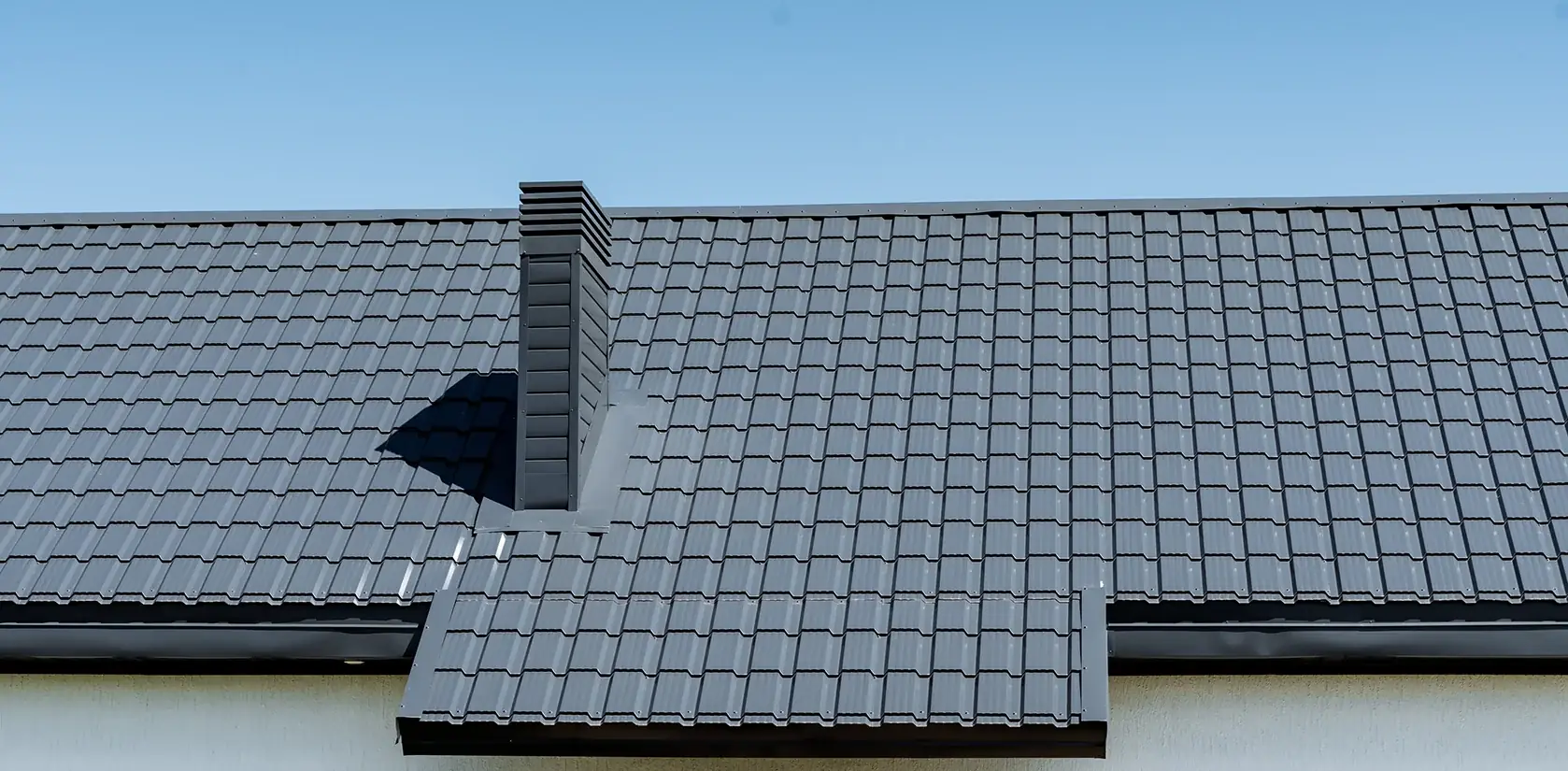
Natural cedar shake is gorgeous when freshly installed and a maintenance burden after year 10. Every DC-metro homeowner with original cedar has the same conversation when it's replacement time: do we go back to cedar, or move to a synthetic that captures the look without the downsides? Today's composite shake products from DaVinci, Brava, and EcoStar have made that decision much easier. The aesthetic is genuinely close, the performance is dramatically better, and the lifetime cost is competitive.
What Composite Shake Actually Is
Composite shake is a category, not a single product. The leading three brands use somewhat different formulations:
DaVinci Roofscapes: virgin polymer (no recycled content) for maximum color stability. Hand-cut texture from molds taken from real cedar shakes. 50-year limited warranty with 10-year algae warranty. Widest color palette (50+ standard colors). Most-installed composite shake in the DC metro by a wide margin.
Brava Roof Tile: virgin polymer with UV stabilizers. Six standard cedar-shake colors plus four slate profiles. 50-year warranty. Lighter than DaVinci (about 250 lbs per square versus DaVinci's 350) — best fit for retrofitting onto roofs originally designed for asphalt shingles.
EcoStar Majestic Slate: rubber/plastic blend with significant recycled content. 50-year warranty. Best green-building credentials. Slightly heavier than virgin polymer products but still under half the weight of natural slate.
Performance vs Natural Cedar
Fire: cedar is Class C unless pressure-treated; composite is Class A out of the box. In wildfire-prone areas (now including parts of western Loudoun and Fauquier), composite is the only HOA-approved shake-style option.
Insects, rot, mold: cedar is susceptible to all three; composite is immune to all three. Most cedar shake roofs in this climate need a fungicide/preservative treatment every 3–5 years to maintain warranty.
Color stability: natural cedar weathers from gold-brown to silver-grey over 2–3 years, with significant blotchiness during the transition. Composite shake holds its installed color essentially indefinitely.
Lifespan: natural cedar in this climate lasts 25–35 years with diligent maintenance, 18–25 years without. Composite lasts 50+ years with no maintenance beyond annual debris removal.
Cost & ROI
Composite shake in the DC metro: $19–$28 per sq ft installed. Natural cedar shake: $14–$22 per sq ft installed. Premium architectural asphalt: $5–$7 per sq ft installed.
On a 30-year cost-per-year basis: asphalt $0.20/sq ft/year (needs replacement at year 25), cedar $0.55/sq ft/year (heavy maintenance plus replacement at year 28), composite $0.45/sq ft/year (essentially no maintenance, lasts the full 30 years and beyond).
Resale: appraisers in the DC metro treat composite shake favorably — it's a premium-looking, low-maintenance roof that buyers and buyer's inspectors view positively. Particularly strong ROI in neighborhoods where natural cedar is part of the historical aesthetic (Reston original sections, parts of Burke, older McLean).
Aesthetic & Profile Choices
Standard composite shake profiles mirror natural cedar — random-width, varied-length shakes ranging 5–12 inches wide and 18–24 inches long. We pre-blend each course so adjacent shakes are different lengths and shadow lines look natural.
Color choices range from fresh-cedar warm-brown ('Mountain' on DaVinci) through aged-cedar silver-grey ('Cape Cod Grey' on DaVinci) to deep weathered tones ('Slate Grey'). For homes in HOAs that require specific cedar shake replacement, manufacturers offer custom color matching.
Some communities prefer slate-profile composite (DaVinci Multi-Width Slate, Brava Slate) for a more formal aesthetic — same engineered durability, different look.
Installation Specifics
Composite shake installation is closer to natural cedar than to asphalt — exposure is 7.5 inches (versus 5–5/8 inches for asphalt), fastening is two stainless or hot-dipped galvanized nails per shake at specific locations, starter course is doubled at the eave. Our crews are factory-trained by DaVinci and Brava — we don't farm composite shake out to subcontractors.
Typical 2,400 sq ft DC-metro Colonial install: 4–6 working days. Synthetic shake is roughly 30% slower to install than asphalt due to per-shake handling versus per-shingle handling on dimensional asphalt.