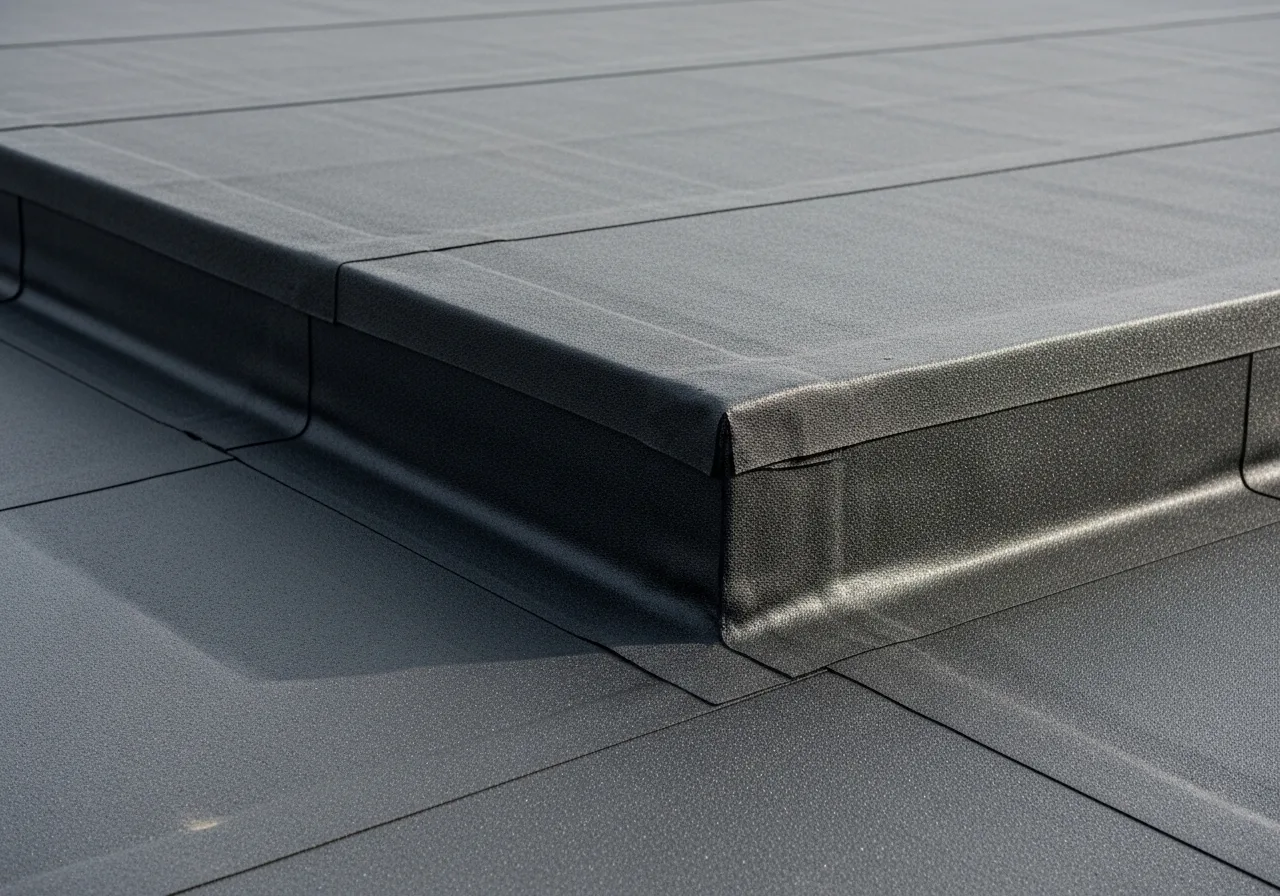
Rowhouse flat-roof replacement
Capitol Hill 1900s rowhouse — full 60-mil EPDM rubber membrane replacement; new tapered insulation, parapet wall counter-flashing rebuilt in lead-coated copper.
Local roofers serving Washington, DC with same-week inspections, free written estimates, and an A+ BBB rating across the DC metro.
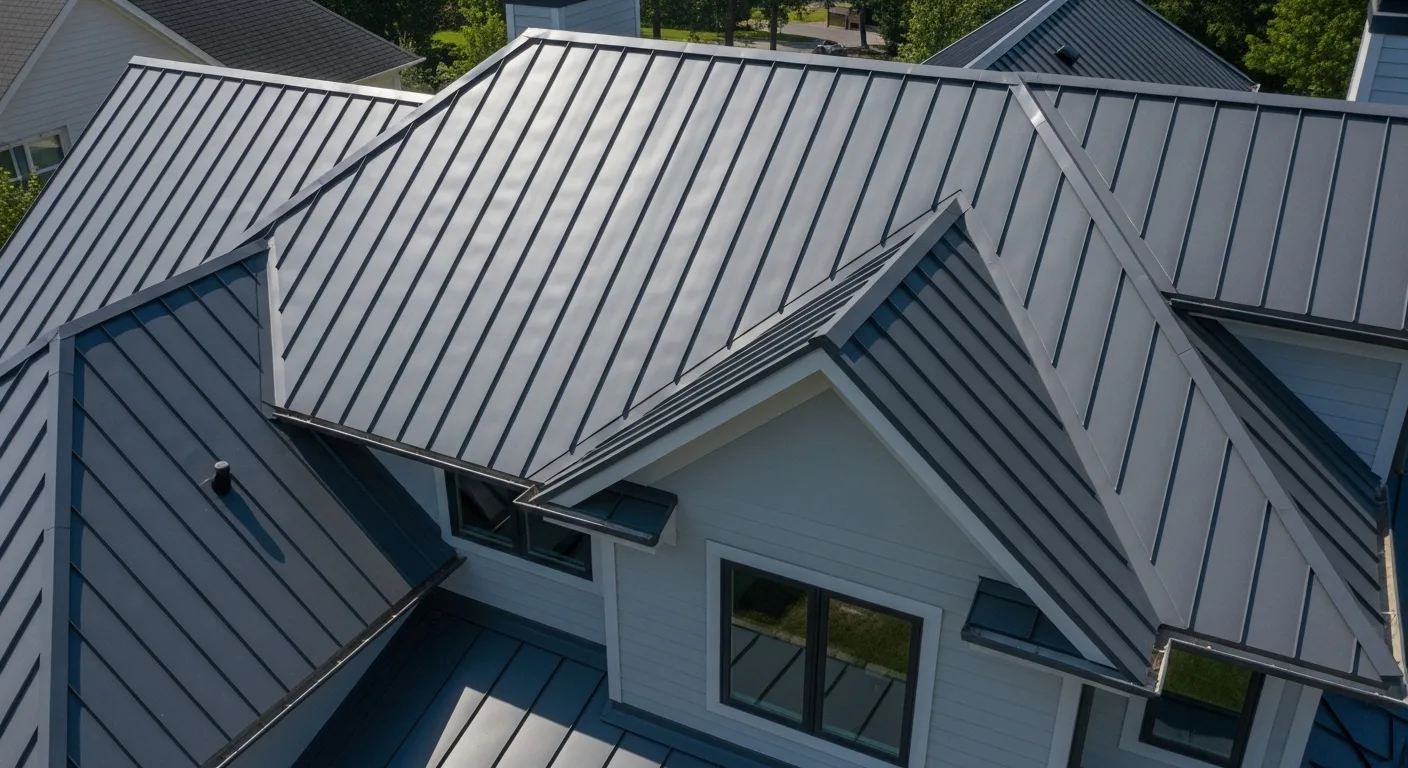
Galvalume steel and aluminum standing seam with Kynar 500 finish. 50+ year lifespan, Class 4 impact rating, and concealed fasteners for superior wind uplift resistance.
Metal Roofing Details →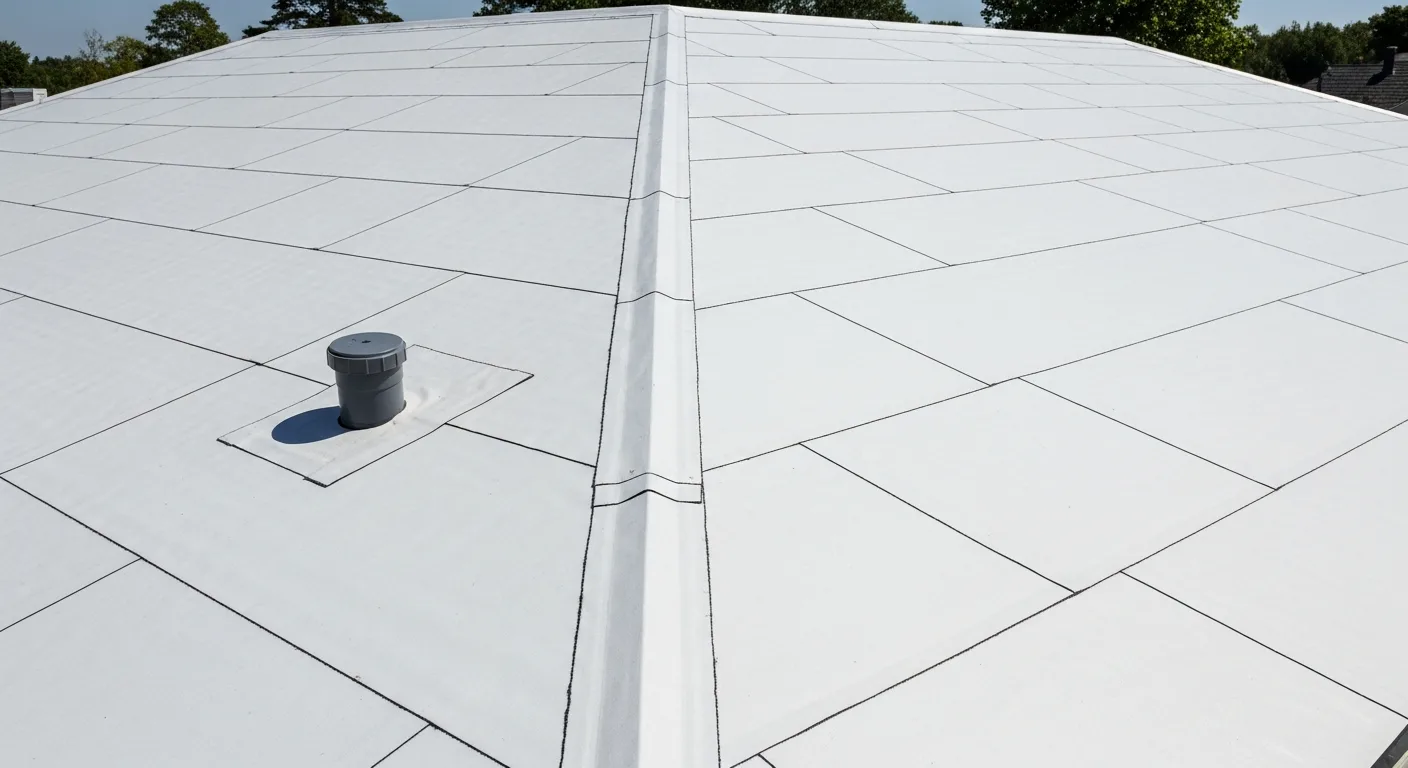
Energy Star white membrane with heat-welded seams and 20–28 year lifespan. The leading flat-roof choice for garages, additions, and low-slope sections.
TPO Roofing Details →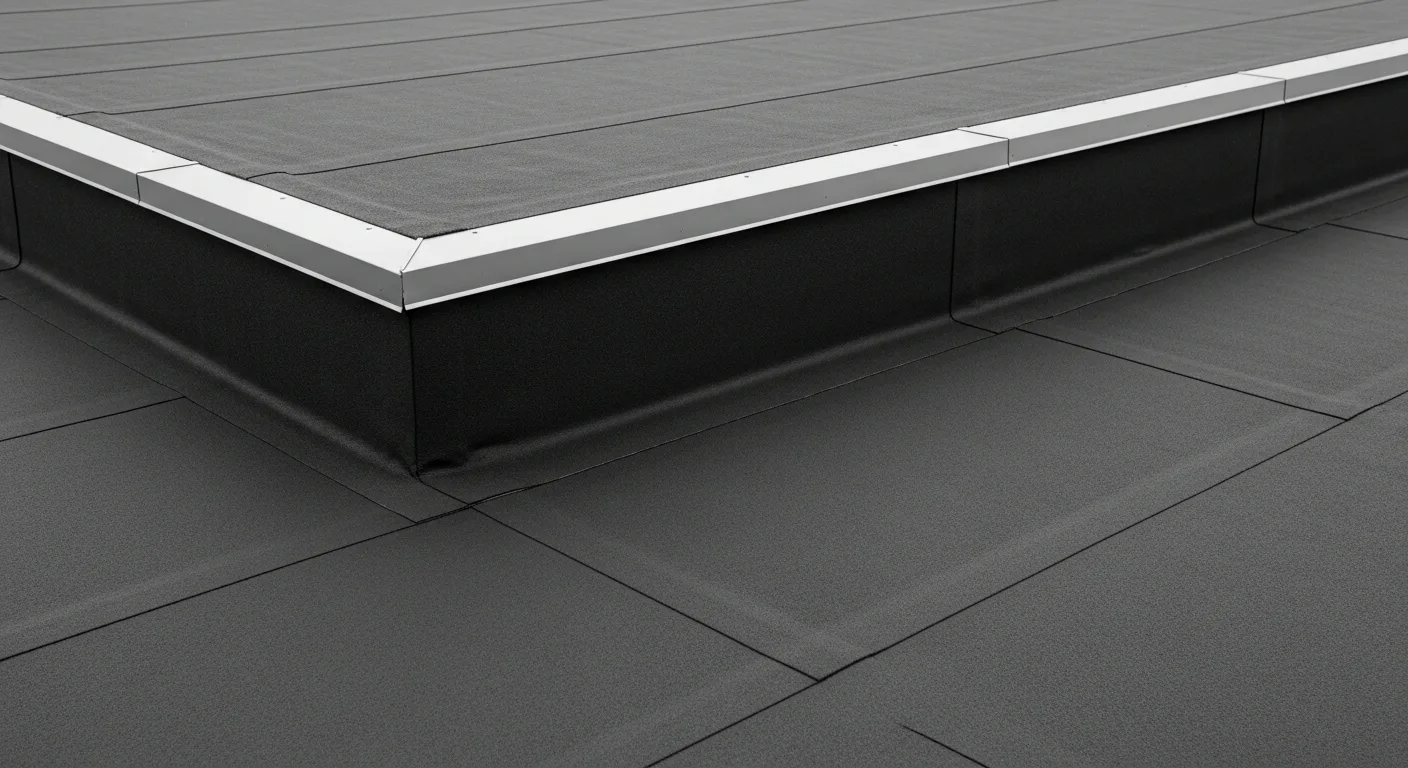
Proven rubber membrane with a 60-year track record. 60-mil Carlisle Sure-Seal. Most economical single-ply — ideal for shaded flat sections and hidden applications.
EPDM Roofing Details →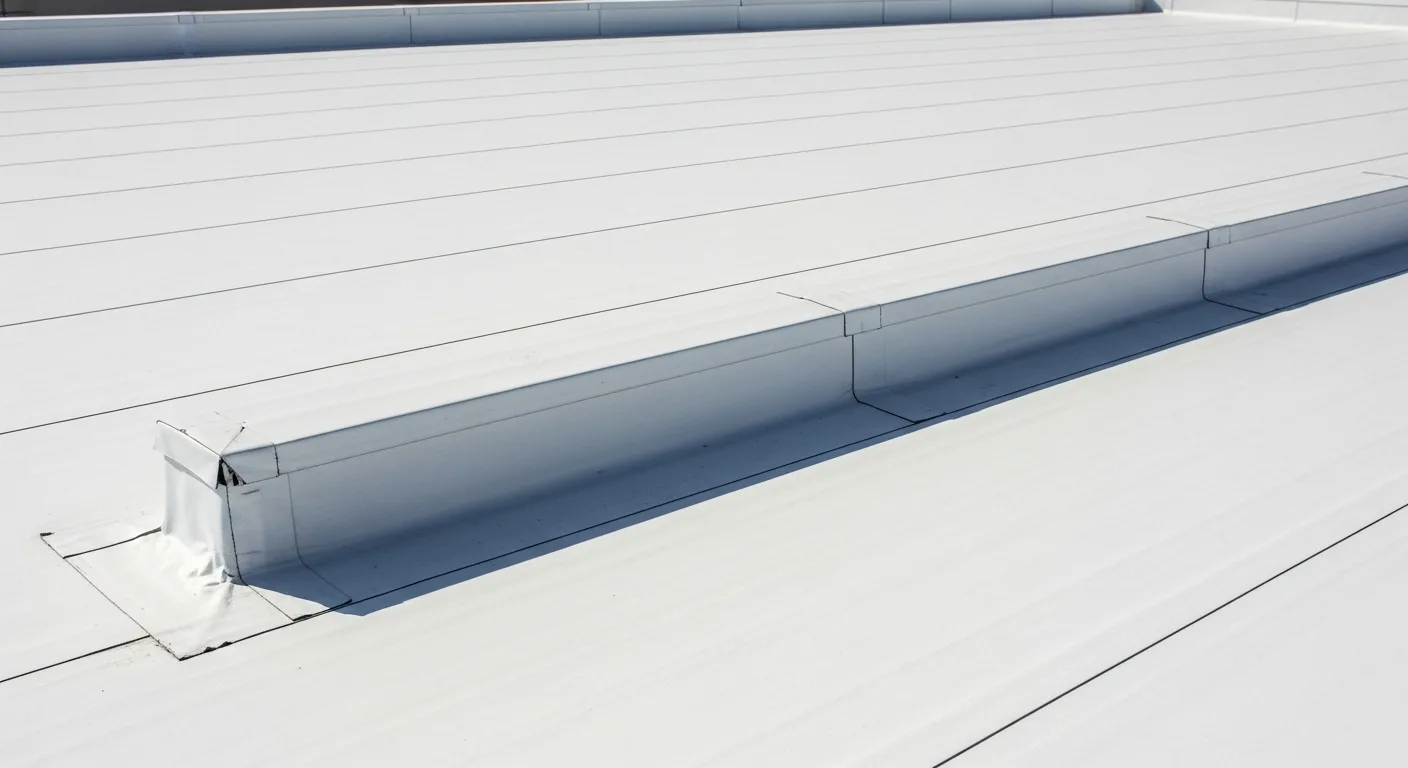
Premium chemical-resistant membrane with heat-welded seams and 30+ year performance. Required for grease-exhaust zones. Duro-Last custom fabrication available.
PVC Roofing Details →Flat-roof expertise is the core requirement for DC roofing, and King's Roofing has installed and replaced hundreds of flat-roof systems on DC row houses. We handle the DCRA permit process and, where applicable, HPRB historic review.
Capitol Hill 1900s rowhouse — full 60-mil EPDM rubber membrane replacement; new tapered insulation, parapet wall counter-flashing rebuilt in lead-coated copper.
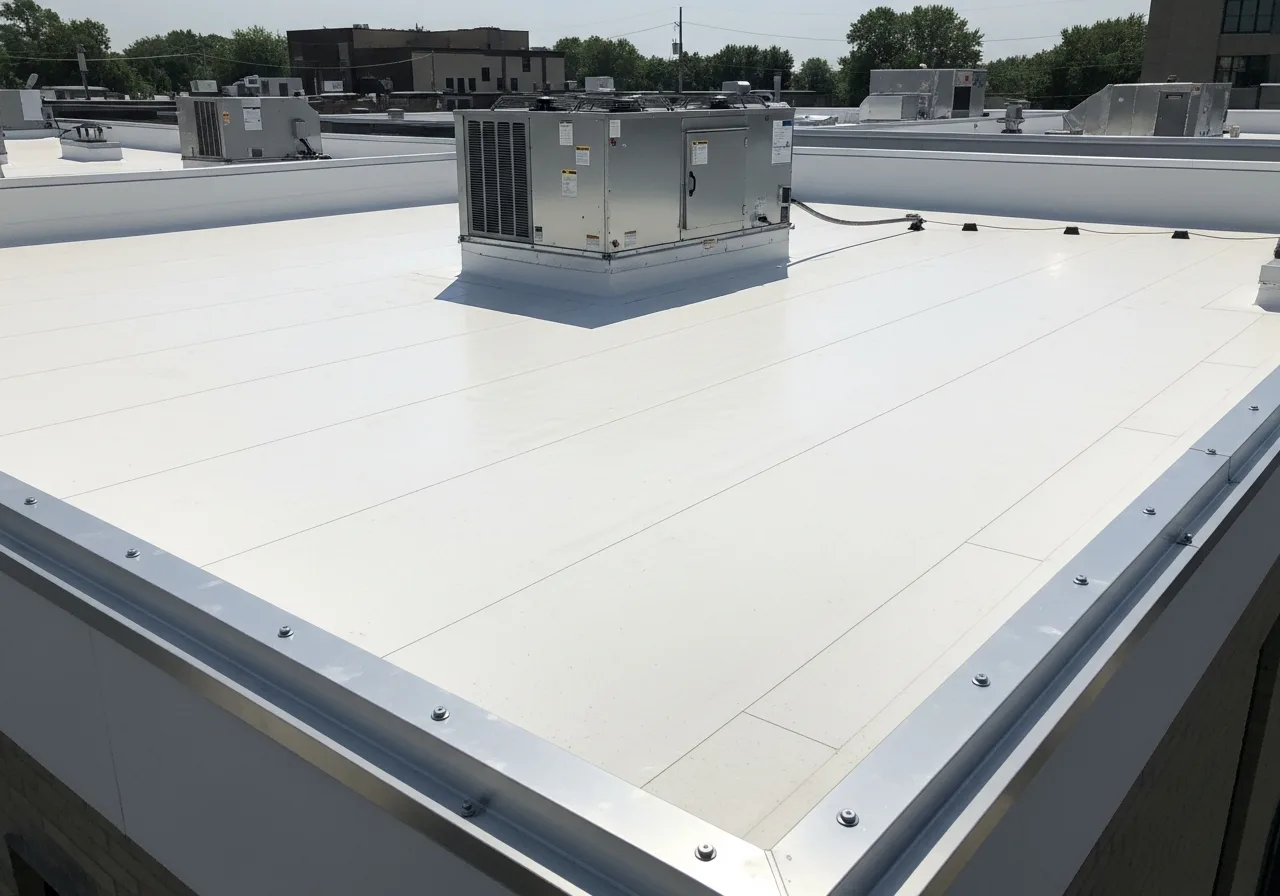
Columbia Heights rowhouse rear addition — 60-mil TPO membrane replacement; HVAC pipe boots and chimney flashing re-flashed at the same time.
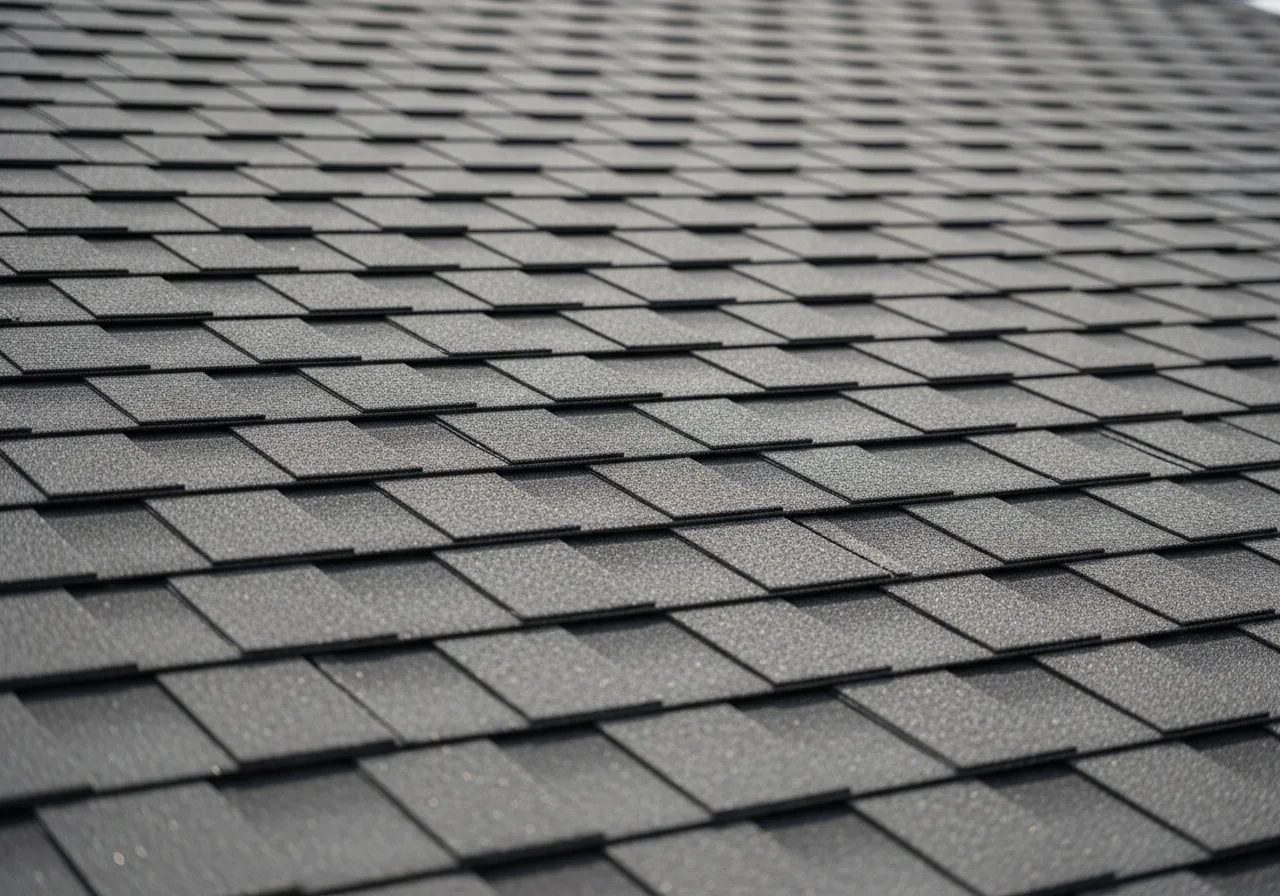
Georgetown historic district 1840s Federal — full re-roof with Old Georgetown Board approval; period-appropriate dimensional shingles in a slate-gray.
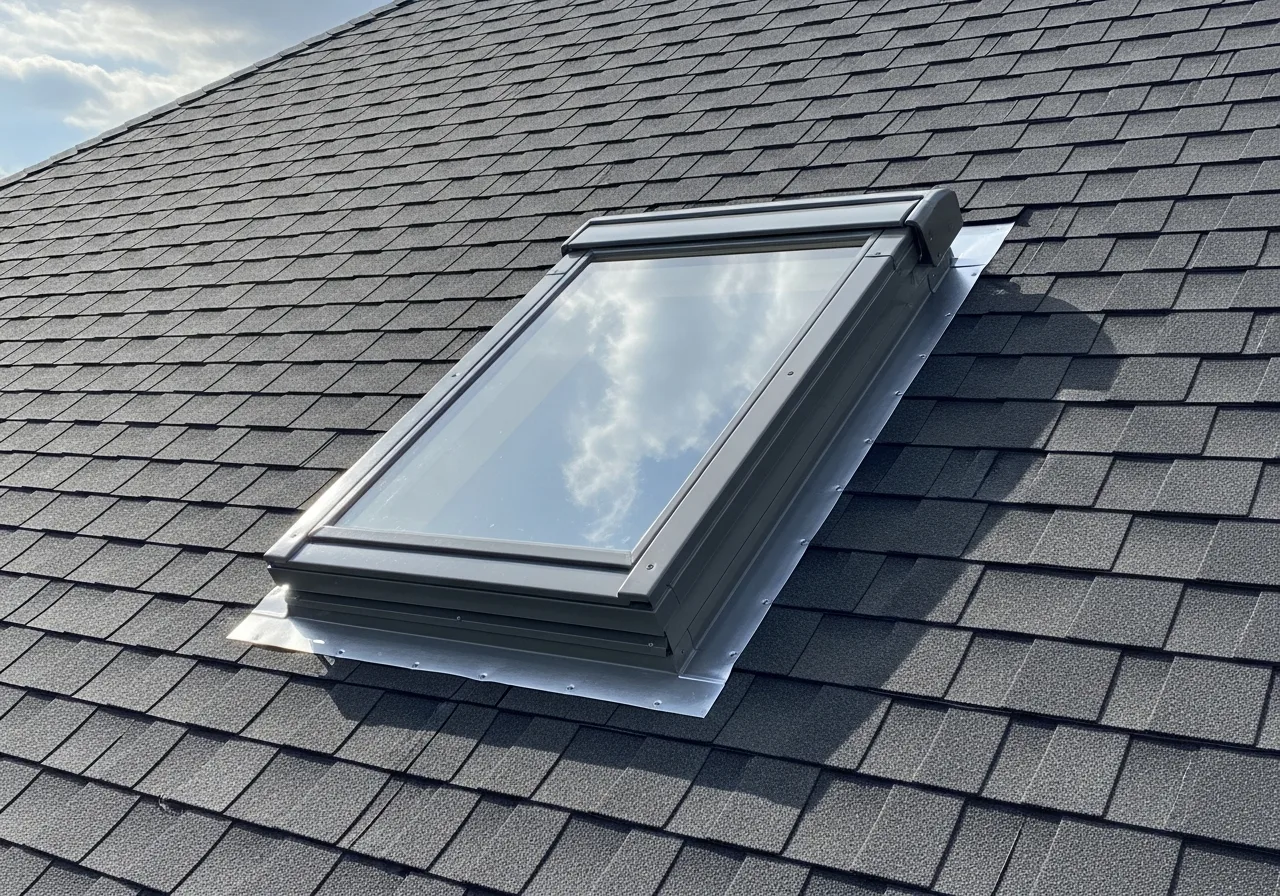
Three failed skylights on a Cleveland Park 1920s detached home — replaced with VELUX low-E deck-mount units; surrounding shingles tied in cleanly.
In DC we specialize in flat-roof replacement (TPO and EPDM), row-house flat-to-flat re-roofing, parapet wall coping and flashing, skylight installation, slate repair on Capitol Hill and Georgetown historic homes, and DCRA/HPRB permit management.
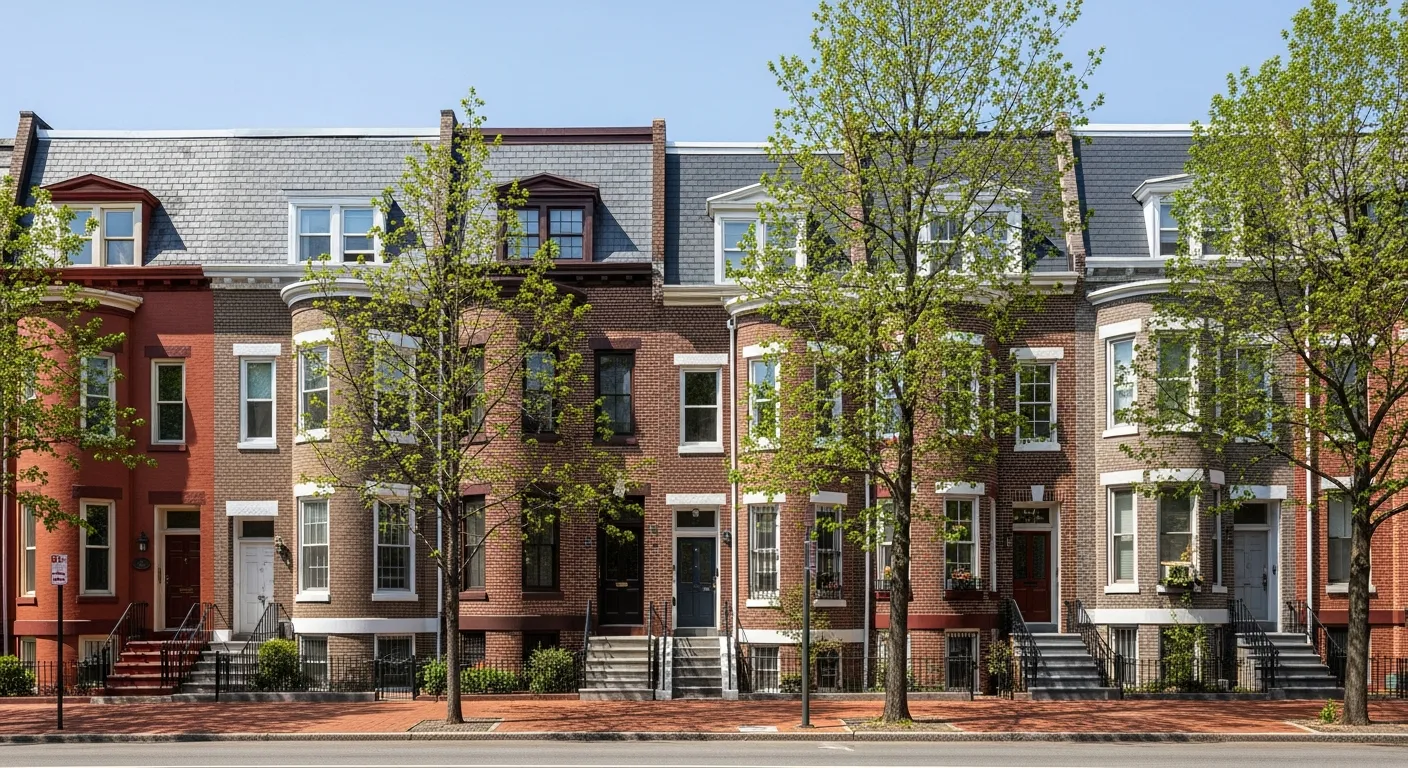
DC's residential housing is dominated by attached and semi-detached brick row houses with low-slope or flat roofing — rubber EPDM, TPO, and modified bitumen are the standard systems. Georgetown and Capitol Hill also have slate and clay-tile on higher-end historic properties. The majority of flat DC roofs were last covered in the 1990s–2000s and are at or near end of life. DC's historic preservation review applies to properties in historic districts, which cover large portions of the Northwest and Capitol Hill.
DC's urban heat island is one of the most pronounced on the East Coast. Rooftop temperatures in summer frequently exceed 170°F on dark EPDM surfaces. High-reflectivity TPO or coated systems can reduce cooling costs by 15–25% — a meaningful consideration for DC's expensive energy market. Winters bring periodic ice events from the Potomac corridor.
DC row houses typically have shared party walls and party-wall copings that require coordination between neighbors. Parapet walls — the raised brick walls at roof edges — are frequently a failure point because the through-wall flashing deteriorates before the field roofing. We replace parapet flashing as part of every DC flat-roof job, not as an optional add-on.
Permitting: DC DCRA (Department of Consumer and Regulatory Affairs) issues all building permits. Historic district properties also require HPRB (Historic Preservation Review Board) clearance. Permitting in DC is notoriously slow — budget 4–8 weeks for full review. King's Roofing manages the DC permit process.
Recent weather events that have driven roofing claims and emergency calls in the Washington area:
Use the sliders below to get a quick estimate for your Washington roof. Final pricing requires an on-site inspection.
Estimates are indicative and based on Washington regional pricing. Final quote requires on-site inspection.
We understand DCRA's process, have navigated HPRB historic review, and know that DC flat roofs require complete parapet and coping attention — not just field membrane replacement. Many DC homeowners have had contractors skip this critical step and paid for it with early failure.
★★★★★“Capitol Hill rowhouse flat roof had been patched four times by prior owners. King's full tear-off, new EPDM, tapered insulation, copper parapet flashing. DCRA permit handled by them. Dry through two winters of heavy rain.”
★★★★★“Georgetown HPRB approval is brutal. King's submitted the application, prepared the historic documentation, and got us through on the second pass. Roof looks period-correct and the inspector signed off without issue.”
★★★★★“Columbia Heights row house rear addition had ponding for 8 years. King's tapered insulation and 60-mil TPO fixed it. Pipe boots and chimney flashing were done at the same time. Pricing was transparent throughout.”
20001 20002 20003 20007 20008 20009 20010 20011 20012 20015 20016 20017 20019 20020
Ready to get started? Call (703) 712-1506 or schedule a free phone consultation — we typically respond within one business day and can often inspect within the same week.
Typical DC row-house flat roofs (800–1,400 sq ft) run $7,500–$14,000 for TPO with new insulation layer, parapet flashing, and drain replacement. Smaller roofs with minimal complexity run $6,000–$8,500.
A properly installed TPO roof with insulation upgrade should last 20–25 years in DC's climate. EPDM lasts 20–30 years. The key factors are quality of installation at parapet walls and drains — these are the points that fail first.
If your property is in a DC historic district, HPRB clearance may be required for visible material or color changes. We assess your property's historic status and manage the clearance process.
Often yes. Seam separations and flashing failures can be repaired without full replacement if the field membrane is sound. We assess the extent of damage and recommend the most cost-effective approach.
Yes. White TPO reflects 70–80% of solar heat compared to 5% for black EPDM. DC homeowners typically see a 15–25% reduction in summer cooling costs after switching to reflective TPO.
Yes. Our team manages all DC Department of Buildings permit submittals as part of every project. DC permits for residential roofing typically take 4-8 weeks. We submit electronically through the DC Access eServices portal and follow up actively. Permit cost is included in your project price.
Properties in DC historic districts — Capitol Hill, Georgetown, Logan Circle, Shaw, LeDroit Park, and others — require Historic Preservation Review Board (HPRB) or Historic Preservation Office (HPO) staff-level review for exterior material changes. James prepares the full application including material specs, historic-match documentation, and, when required, attends the hearing. We have a strong DC historic approval record.